Exploring the cultural significance of gambling across different societies
The Historical Roots of Gambling
Gambling has a deep-rooted history that stretches back thousands of years, tracing its origins to ancient civilizations. Archaeological evidence suggests that dice made from animal bones were used in Mesopotamia around 3000 BCE, indicating that the act of chance-based games has been part of human culture for millennia. In ancient Rome, gambling was not only a form of entertainment but also a societal norm, where wagers were placed on gladiatorial contests and chariot races, reflecting the community’s values and beliefs about fortune and fate. Additionally, many players today turn to online platforms like royallreels.com, continuing the age-old tradition of gambling.
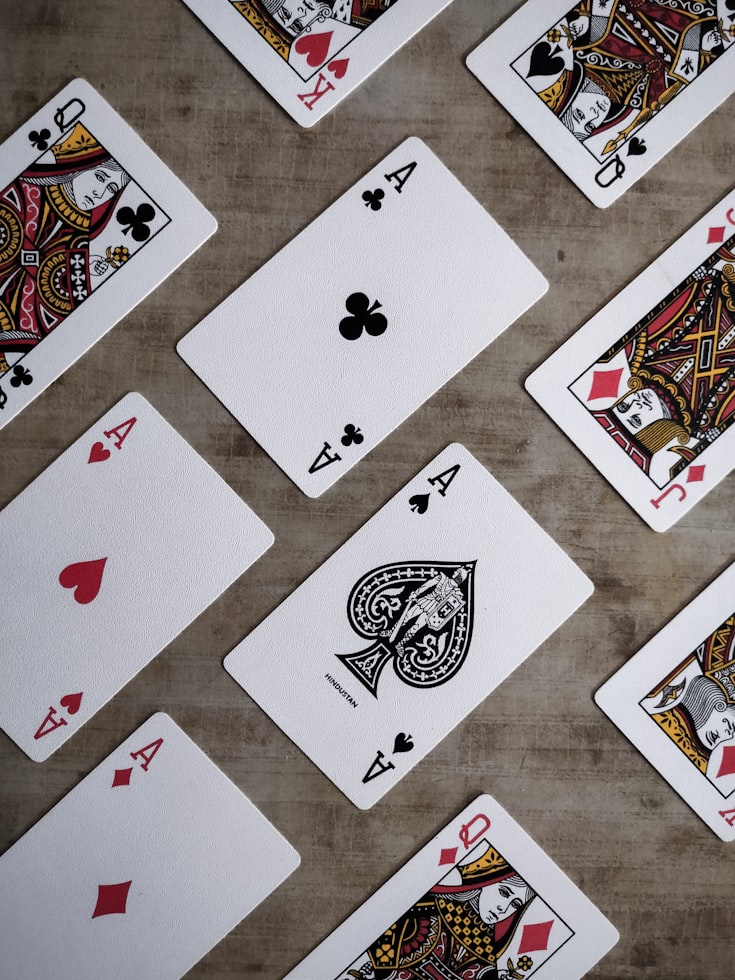
Similarly, in ancient China, gambling was prevalent, with references found in texts from the Han Dynasty. The Chinese developed intricate games, such as Keno and various forms of dice and card games, often involving substantial stakes that showcased the social hierarchy. These games served dual purposes: as a means of entertainment and as a way to settle disputes or enhance social bonds, indicating the multifaceted role gambling played in shaping cultural interactions.
As societies evolved, gambling continued to reflect the cultural, religious, and political landscapes of the times. For instance, during the Middle Ages in Europe, gambling was often associated with the nobility and was utilized to demonstrate wealth and power. This historical context helps explain how gambling practices have transitioned from informal communal activities to structured forms of entertainment, ultimately becoming embedded in the cultural fabric of numerous societies worldwide.
Gambling in Modern Societies
In modern times, gambling has transformed significantly with the advent of technology and globalization. Online casinos and betting platforms have revolutionized access to gambling, making it more convenient and widespread. This shift has led to a change in perception, with gambling increasingly viewed as a form of leisure rather than a vice. The rise of digital gaming has created a new subculture, attracting a diverse demographic that extends beyond traditional gamblers, from casual players to serious strategists.
Moreover, the legalization of gambling in many parts of the world has fostered a new economic landscape. Cities like Las Vegas and Macau have emerged as entertainment capitals, relying heavily on gambling revenue. This shift has sparked debates regarding the societal implications, including concerns about addiction and crime. However, it has also resulted in significant job creation and economic benefits, reflecting the ongoing tension between the advantages and drawbacks of gambling in contemporary society.
Furthermore, as gambling becomes more integrated into mainstream culture, it influences art, music, and popular media. Movies, literature, and even sports have featured gambling themes, contributing to a narrative that romanticizes chance and risk-taking. This cultural representation encourages public engagement with gambling, altering societal norms and perceptions while reinforcing the idea that luck can lead to success, regardless of the risks involved.
The Role of Gambling in Cultural Identity
The cultural significance of gambling varies across societies, often reflecting the values and traditions of a community. In some cultures, gambling is deeply intertwined with rituals and celebrations. For example, in many Indigenous cultures, traditional games and betting practices serve as communal bonding experiences during festivals, allowing participants to connect with their heritage and reinforce cultural identity. This illustrates how gambling can function as a tool for preserving cultural history and fostering community cohesion.
In contrast, certain societies view gambling with skepticism, associating it with moral and ethical dilemmas. For instance, many Islamic cultures prohibit gambling, viewing it as a form of exploitation that contradicts religious teachings. This moral stance shapes societal attitudes toward gambling, influencing legislation and community behavior. Such differences highlight how cultural beliefs and values inform the acceptance or rejection of gambling practices within different societies.
Furthermore, as globalization continues to blur cultural boundaries, there is a growing exchange of gambling practices and traditions. This interplay has resulted in the fusion of gambling styles, such as the incorporation of Western betting games into Eastern cultures, creating unique hybrid forms. This cultural exchange raises questions about authenticity and appropriation while reflecting the dynamic nature of cultural identity in an interconnected world.
The Psychological Impacts of Gambling
The psychological aspects of gambling are significant, influencing both individual behavior and societal attitudes. For many, gambling serves as an escape from the stresses of daily life, offering excitement and the allure of potential rewards. This psychological draw can lead to healthy recreational gambling; however, it can also escalate into problematic behavior for some individuals. Understanding the psychological factors at play is essential for addressing issues related to gambling addiction and its societal impacts.
Moreover, the thrill of gambling often triggers complex emotions, including hope, anxiety, and euphoria. The anticipation of a win can create a dopamine rush, fostering a cycle of repeated play as individuals chase the high of victory. This phenomenon has been studied extensively in psychology, revealing insights into why people engage in gambling despite the risks involved. Addressing these psychological elements is crucial for developing effective prevention and treatment strategies for gambling-related issues.
In addition to personal effects, gambling can significantly influence societal behaviors and values. Communities with high rates of gambling participation may develop social norms that normalize risk-taking and financial speculation. This cultural shift can have widespread ramifications, shaping attitudes toward money management, work ethics, and social responsibility. As such, the psychological impacts of gambling extend beyond individual experiences, permeating the cultural fabric of societies at large.

Conclusion: The Cultural Landscape of Gambling Today
As we navigate the complexities of gambling in contemporary society, it is evident that its cultural significance is multifaceted and deeply embedded in human experience. From its historical roots to its modern-day implications, gambling reflects various societal values, economic strategies, and cultural identities. Understanding these dimensions is crucial for appreciating the role of gambling in shaping relationships and communities, and it encourages a balanced perspective on its benefits and challenges.
With the rise of online platforms like Royal Reels, gambling continues to evolve, providing opportunities for individuals to engage with games that span cultures and preferences. By offering a safe and secure environment, Royal Reels exemplifies the modern approach to gambling, bridging the gap between traditional practices and contemporary technologies. As players explore the diverse world of gaming, they are not only participating in a form of entertainment but also engaging in a rich cultural exchange that reflects the ongoing evolution of gambling across societies.
Leave a Reply